How to Create a Playlist on Spotify: A Simple Guide 2026
Music has become an integral part of our daily lives. Whether you are commuting to work, exercising at the gym, or simply relaxing at home, having the right soundtrack can significantly elevate your mood. Spotify has established itself as a leader in the music streaming industry, offering millions of tracks at your fingertips. However, the true power of this platform lies in its ability to let users curate their own listening experiences through playlists.
Creating a playlist is not just about dumping a bunch of songs into a folder; it is a digital art form. It replaces the mixtapes of the past, allowing you to build collections of songs for specific moods, events, or genres. In this comprehensive guide, we will walk you through every step of the process, ensuring that by the end, you will be a master curator. Whether you are using the standard version from the app store or have installed a Spotify apk on your Android device, the core principles of organization remain the same. We will cover everything from the basic setup on different devices to advanced tips that will make your playlists stand out.
How to Create a Playlist on Spotify
The process of creating a playlist is designed to be intuitive, but it can vary slightly depending on the device you are using. Spotify creates a unified ecosystem, meaning a playlist created on your phone will instantly appear on your computer, provided you are logged into the same account. This synchronization is one of the features that makes the platform so user-friendly.
On Android
For the majority of users, the mobile experience is primary. Android phones offer a versatile way to manage music on the go. To begin creating a playlist on Android, you first need to ensure you have the application installed and are logged in. The interface has evolved over the years to become cleaner and more accessible.
Start by opening the application. On the bottom navigation bar, you will see an icon labeled “Your Library.” Tap on this to view your existing collections. In the top right corner of this screen, there is a distinct “plus” (+) sign. Tapping this icon opens a menu asking what you would like to create. Select “Playlist.” You will immediately be prompted to give your playlist a name. It is best to choose a name that reflects the vibe of the music you intend to add, though you can always change this later. Once you type the name and hit “Create,” the empty playlist is ready for your favorite tracks.
It is worth noting that some users who prefer customized experiences might be using a Spotify premiunm apk to access different interface options or features not available in the standard free tier. Regardless of the version, the fundamental button placement for playlist creation is usually consistent to ensure usability.
On PC
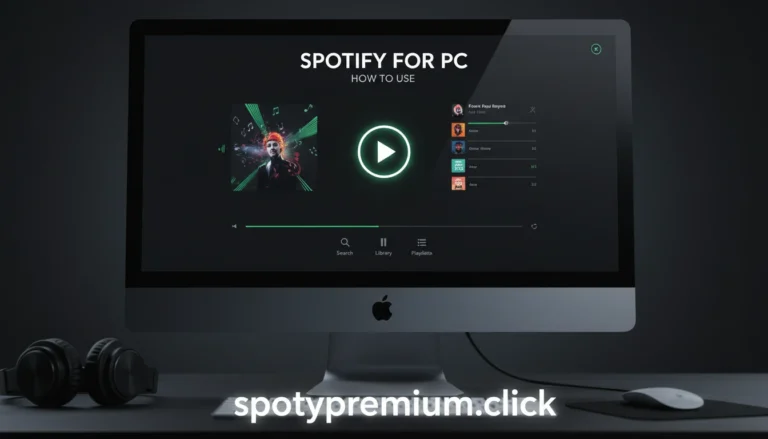
Creating a playlist on a PC (desktop app or web player) offers a broader view and is often easier for managing large libraries because you have the advantage of a mouse and keyboard. The desktop interface utilizes a sidebar for navigation, which keeps your most important folders and playlists visible at all times.
To create a new playlist on the PC, look at the left-hand sidebar. In the “Your Library” section, you will see a plus (+) icon, similar to the mobile version. Clicking this will produce a drop-down menu; select “Create a new playlist.” Alternatively, the desktop app often features a direct “Create Playlist” button in the sidebar depending on the specific update version you are running.
Once clicked, a new generic playlist (usually named “My Playlist #1”) appears. You can click on the title to rename it, add a description, and even upload a custom image directly from your computer’s hard drive. The PC environment is particularly efficient for bulk-editing, allowing you to move songs around quickly. Even if you manage your app files via a Spotify apk transfer on an emulator, the desktop layout provides the most control over organization.
Adding Songs to your Playlist
A playlist is nothing without the music. Once the empty shell is created, the next step is populating it with tracks. There are several methods to do this, ranging from active searching to letting the algorithm help you find hidden gems.
From search bar
The most direct way to build your collection is by using the search bar. This is ideal when you know exactly which songs or artists you want to include. On mobile, the search icon is located at the bottom center; on desktop, it is at the top left.
Type in the name of the song you are looking for. When the results appear, look for the three vertical dots (the options menu) next to the track name. Tapping or clicking these dots will open a context menu with various actions. Look for the option that says “Add to playlist.” A list of your created playlists will pop up. Simply select the one you just created, and the song will be added instantly. You can repeat this process as many times as you like. This method ensures that every song in your list is there because you specifically chose it.
Adding Songs from Recommendations
One of the platform’s strongest features is its recommendation engine. When you create a new playlist and add just a few songs, the algorithm begins to understand the “mood” or genre you are aiming for. If you scroll to the bottom of your playlist, you will often see a section labeled “Recommended Songs” or “We added some suggestions.”
These suggestions are dynamic. If you add a recommended song, the list refreshes to offer more tracks similar to the new addition. This is a fantastic way to discover new music that fits the theme of your playlist without having to search for it manually. On mobile, there is also an “Enhance” or “Smart Shuffle” button (depending on the version) that temporarily injects suggested tracks into your queue, allowing you to save the ones you enjoy.
Many users who are interested in how a Spotify premiunm apk Create Playlist function works are often looking for unlimited skips or ad-free listening to better utilize these recommendation features without interruption. The recommendation engine effectively acts as a co-curator, helping you fill in the gaps.
From drag and drop ( only for desktop)
If you are using the desktop application, you have access to a feature that significantly speeds up the curation process: drag and drop. This feature is not available on mobile devices due to the touch interface limitations.
To use this, navigate to any list of songs—this could be an album, an artist’s page, or your “Liked Songs” list. Click on a song track and hold the mouse button down. Drag the song over to the left sidebar and hover it over the name of the playlist you want to add it to. Release the mouse button, and the song is dropped into the playlist. You can even select multiple songs at once by holding the Shift or Ctrl (Cmd on Mac) key, then dragging the entire batch into your playlist. This is the fastest way to move large albums or collections into a new playlist.
Tips and Tricks to Enhance your Playlist
Creating a playlist is easy, but making a great playlist requires a bit more effort. To make your collection appealing to yourself and potential followers, you should utilize the customization tools available. Here are several tips to elevate your playlist game.
Add catchy name
The name is the first thing people see. “My Playlist #4” is forgettable and uninspiring. A catchy name sets the tone. Use creative adjectives, references to the occasion (e.g., “Late Night Drive” vs. “Monday Morning Motivation”), or even emojis to make the title pop. The name should give the listener an immediate idea of what genre or energy to expect. If the playlist is for a workout, words like “Power,” “Energy,” or “Beast Mode” are appropriate. For studying, terms like “Focus,” “Chill,” or “Lofi” work better.
Add cover image
By default, the platform creates a collage of the album covers of the first four songs in your playlist to serve as the cover image. While this is functional, it often looks cluttered. Adding a custom cover image gives your playlist a professional and polished look.
On the desktop app or mobile app (select versions), you can upload a custom image. This could be a photo you took, a piece of digital art, or a simple color gradient. The image should be a square, ideally 300×300 pixels or larger. A custom cover makes your playlist easily identifiable in your library and more attractive if you decide to share it publicly.
Write description
Underneath the title, there is space for a description. This is often an underutilized feature. The description allows you to add context. You can write a brief message about why you created the playlist, list the main artists featured, or add a dedication.
Furthermore, if your playlist is public, the text in the description is searchable. This means if you use relevant keywords in your description, other users are more likely to find your playlist when they search for specific moods or genres. It is a simple way to increase the reach of your music curation.
Add or remove the playlist
Management of your library is key to keeping your music organized. Over time, you may get tired of a playlist or realize it no longer fits your taste. You have two main options: deleting or removing.
If you created the playlist, you can delete it. This permanently erases it from your account and for anyone following it (though it may stay in their cache briefly). If you are following someone else’s playlist, you can remove it from your library. This simply unfollows the playlist; it still exists for the creator and other followers, but it will no longer clutter your sidebar. To do this, tap the three dots on the playlist page and select “Delete Playlist” or “Remove from Library.”
Collaborate with friends
Music is often better when shared. The “Collaborative Playlist” feature allows you to invite friends to add songs to a playlist you created. This is perfect for parties, road trips, or shared office spaces.
To enable this, tap the “invite” icon (a person with a plus sign) or go to the playlist menu and select “Invite Collaborators.” You can send a link to your friends via text or social media. Once they join, they can add, remove, and reorder songs just like you can. It turns playlist creation into a group activity. Be aware that anyone with the link can modify the playlist, so only share it with people you trust.
Export your playlist
Sometimes you might want to keep a backup of your playlist or transfer it to another service. While there is no native “Export to text file” button within the app, there is a way to copy the data. On the desktop app, you can select all songs (Ctrl+A), copy them (Ctrl+C), and then paste them into a text document or spreadsheet. This will paste the HTTP links for every song.
This is useful if you are switching accounts or want to share a plain text list of tracks with someone who doesn’t use the same streaming service. Users of a spotify MOD APK might find this particularly useful if they frequently switch between different modded versions and need to manually restore their library structure, although cloud syncing usually handles this automatically.
Comparison between Private and Public Playlist
When you create a playlist, you have control over who sees it. Understanding the difference between public and private settings is important for your digital privacy and social experience.
Public Playlists:
By default, many new playlists are set to public. This means they can appear in search results, on your public profile, and can be viewed by anyone who visits your page. Public playlists are great if you want to become a recognized curator or share your music taste with the world. If your playlist gains traction, it can attract thousands of followers. However, it also means your musical guilty pleasures are visible to everyone.
Private Playlists:
A private playlist is only visible to you. It will not appear on your profile, and it cannot be found via search. This is the ideal setting for personal collections, such as breakup songs, personal voice notes, or niche genres you prefer to keep to yourself. You can toggle the privacy status of any playlist at any time by accessing the playlist’s menu options and selecting “Make Private” or “Make Public.”
It is important to check these settings periodically. Sometimes, when using third-party tools or a spotify MOD APK, default settings might revert or behave differently, so manually verifying your playlist privacy ensures your data remains exposed only as much as you intend.
Conclusion
Creating a playlist on Spotify is a straightforward process that offers immense depth for those willing to explore its features. From the simple act of hitting the “plus” button on your Android device to dragging and dropping complex arrangements on a PC, the platform empowers users to become their own DJs. We have covered the essentials of setup, the various methods of adding songs including the smart recommendation engine, and the tips that take a playlist from good to great, such as custom covers and collaborative features.
Remember that your playlists are a reflection of your personality. Whether you keep them private for personal enjoyment or make them public to connect with a broader community, the tools are there to support your vision. Even if you are navigating the ecosystem via a Spotify premiunm apk Create Playlist workaround or using the standard official app, the joy of organizing music remains universal. By following this guide, you can ensure your music library is not just a list of files, but a curated soundtrack to your life. So, open the app, start searching, and build the perfect collection for 2026 and beyond.